

As of 1 October 2026, a new procedure for submitting TSD declarations came into effect. Let’s take a closer look at what has changed, what NOOM users need to be aware of, and what new capabilities are being introduced.
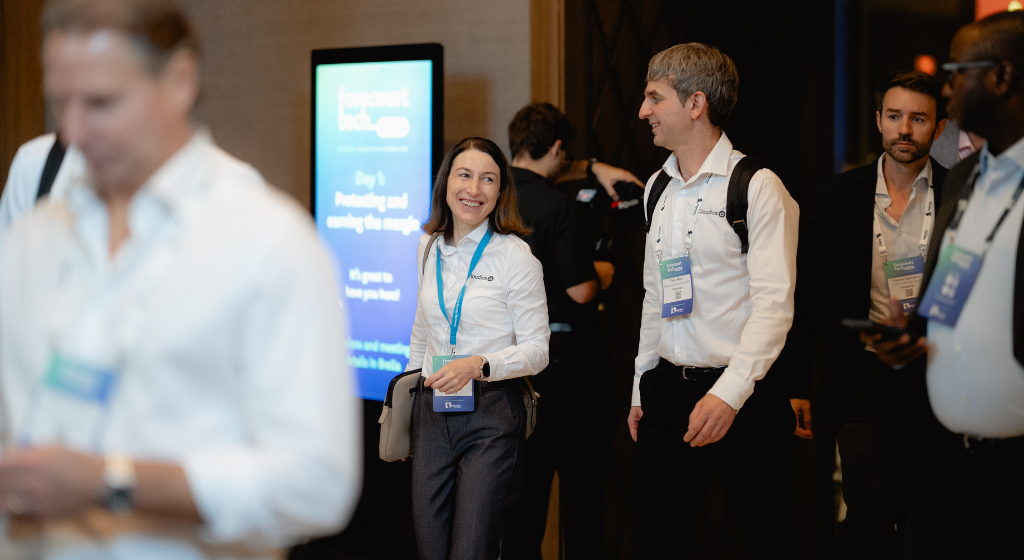
After two days of discussions with fuel retailers and mobility providers at Forecourttech ’26, one thing became clear: while forecourt markets are evolving at different speeds, the industry’s biggest challenges are becoming increasingly similar. Here are our key takeaways from this year’s event.
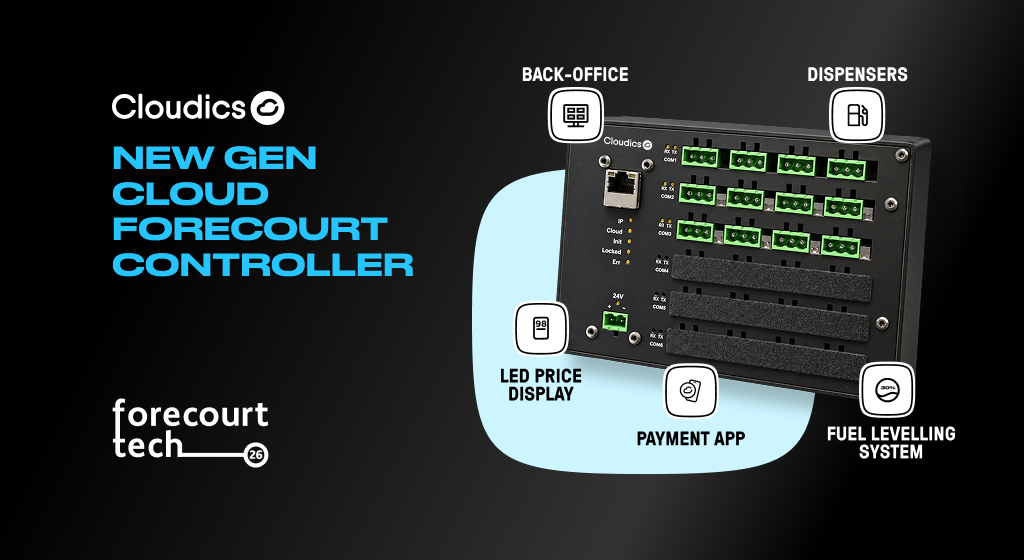
If you’ve met Cloudics at Forecourttech before, you probably already know the bigger idea behind our platform: connecting forecourt operations, payments and digital services in one cloud-based ecosystem. So this year, we’ll skip the introductions. Instead, let’s talk about what’s new.
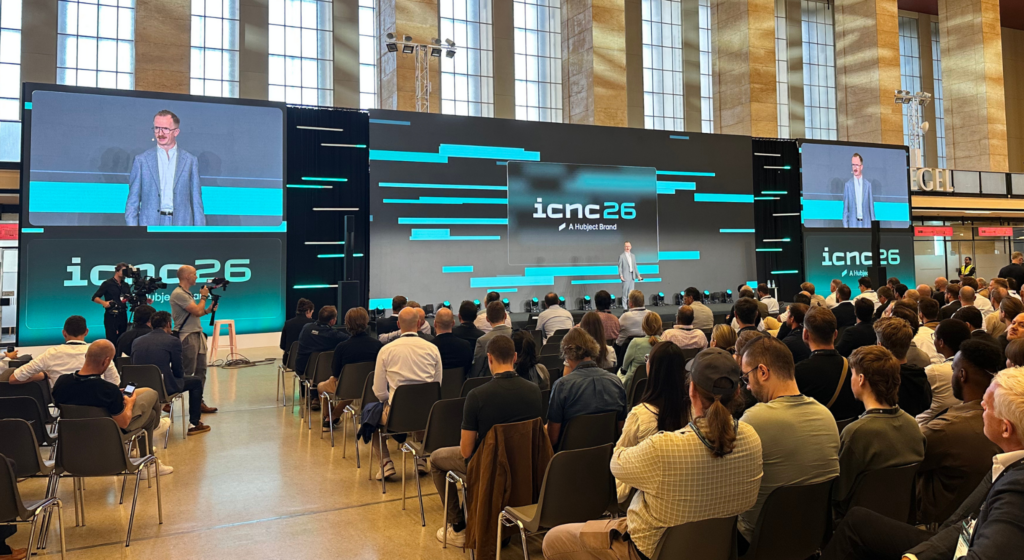
What does it take to grow when expansion alone is no longer enough? How should operators think about grid constraints, heavy-duty charging, interoperability and the economics of every charging site?

The transition to sustainable transport has given rise to modern multi-energy hubs. To scale their business effectively, operators must move beyond legacy software and embrace the new era of AI agentic systems.

The idea is straightforward: if no one’s ever excited to stop for fuel, why design an entire experience around this moment? Instead of improving on the existing model, Wisey redesigns it altogether, combining all features of a traditional gas station in a single infrastructural unit and shifting as much as possible into the digital space.

In the fuel and convenience world, data defines everything. It is the foundation for profitable, agile operations across a multi-site network, and it simply defines how to respond to micro-shifts in market demand.

Previously, issuing goods at Windak was handled entirely on paper, which meant employees had to re-enter large amounts of data, resulting in significant time consumption. While searching for a solution, they found Astro Baltics and their Cloudics warehouse application.

Today, it is possible to optimise business processes through digital solutions such as B2C and B2B online ordering portals, booking systems, mobile applications, and self-service payment solutions.

Companies can apply for the Enterprise Estonia (EIS) digitalisation roadmap grant, which helps map the company’s development opportunities through the efficiency, digitalisation, and automation of production management processes. The grant of up to 10,000€ involves experienced advisors and experts outside the company.